Anna Morrow was thirty-seven, with the specific composure of someone who had been holding things together through an extended crisis and had gotten very good at it. She had a three-year-old and a six-year-old and a full-time job as a hospital administrator, and she had spent the last eleven months visiting her husband in state prison twice a week while managing all of the above.She met Nora at a diner near the hospital on a Thursday morning, before her shift. She arrived eight minutes early, which was the punctuality of someone who had learned to treat every available moment as a resource.She looked at Nora for a moment when they sat down, with the particular quality of someone seeing a face they've constructed from a description."Marcus talked about you a lot," she said."He mentioned you too," Nora said. "Remarkable was the word."Something moved briefly across Anna's face — not the first time she'd been called that, but the specific move of someone who didn't quite believe it about themselves."How long?" Nora asked. The question she needed answered. "How long until he's out?""The attorney thinks ten days. Possibly less. The DA's office isn't fighting it." Anna's voice was very careful. It was the voice of someone who had learned not to hope too quickly. "Gerald doesn't know yet. The attorney is waiting until it's certain. He's—" She stopped. "He's not doing well. He was doing better for a while. The last few months — he stopped writing. He used to write me every week."Nora nodded."Can I ask you something?" Anna said."Yes.""Do you know why? Why they chose Gerald? Why not someone else? The dispute was real, I know the dispute was real, but there must have been other options for who to frame.""Convenience," Nora said. It was the honest answer. "Gerald had motive. He had access. He'd been to that garage before. Framing someone who has genuine existing motive is always more efficient than inventing motive from scratch. They didn't choose Gerald because he was a good target. They chose him because he was the nearest available bad option for Briar, and Whitmore knew the case."Anna was quiet for a moment."Eleven months," she said."I know.""He lost the business. Even if the conviction is vacated, the company is gone — we were already fighting over assets with Briar's estate, and then the arrest, and then the trial costs—""There will be civil remedies," Nora said. "Whitmore, Reiss, Calloway — the civil liability for the frame is significant. Your attorney will pursue it. You will not be left with nothing."Anna Morrow looked at the table. She had not cried in this conversation, and Nora recognized the discipline of it — the same discipline she applied herself, the choice to process things privately."Did Marcus—" Anna began. Then stopped. Then: "He told me he was worried he was in danger. About two weeks ago. He said he was going to be careful. I told him to stop the research and go to you directly and he said he wanted more before he brought you in." She paused. "I should have pushed harder.""He was protecting you by not telling you more. And he was protecting me by not bringing me in before he had the full case, because if he'd brought me in earlier with partial evidence, Whitmore would have known and—" She stopped. "He made the choices he made for reasons. Some of them were wrong. But the outcome of this—""Is that my husband is coming home," Anna said."Yes."Anna picked up her coffee. She looked at the window."Thank you," she said. She said it simply, without elaboration, which was the most direct version of it.Nora nodded. She didn't say: it was the job. It had been the job, but it had also been more than that, and they both knew it.She said: "Tell him Marcus said he was glad he could help. When he's out."Anna looked at her."He'd want him to know," Nora said.
📚 Continue Reading
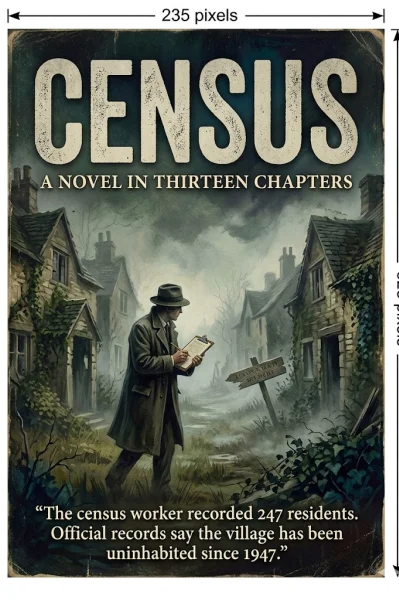
9 parts
HOT
CENSUS
Luna Everett
1 hours 35+ Readers

HOT
DON'T OPEN THE ATTIC
Daniella Storm
51 min 37+ Readers

HOT
HOLLOW CHILDREN
Daniella Storm
58 min 37+ Readers

HOT
THE BRIDE WHO STAYED
Scarlett Rivers
1 hours 75+ Readers